Baker County member-owners: OTEC is accepting applications for an open seat on its Board of Directors. Applications are due by 5 p.m. Tuesday, October 13. To see the qualifications and apply: Click here.

Your Safety,
Our Priority
Staying Safe Around Electricity
Electricity is the invisible force that powers our modern world. While it is essential to our daily lives, it demands respect, awareness, and constant vigilance. Whether you are at home, in the office, or on a job site, understanding electrical hazards is the first step toward a safer environment.
Why Electrical Safety Matters
A safe community is built on informed individuals. By prioritizing safety protocols, you protect more than just equipment; you protect lives, homes, and livelihoods.
Stay Back, Stay Alive
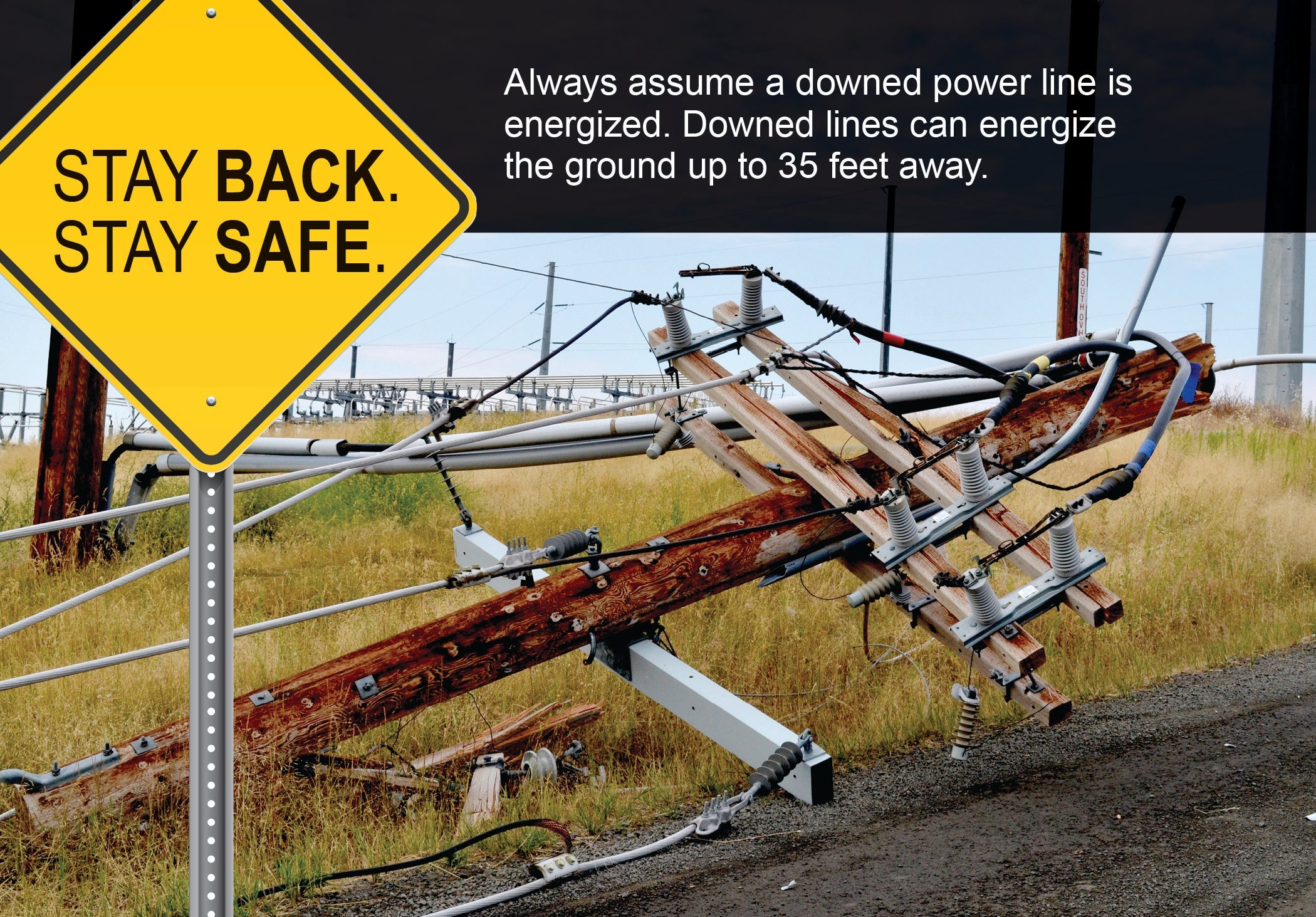
Never trust appearances. A downed power line doesn't have to be sparking or humming to be deadly. If you encounter a fallen wire, assume it is fully energized and capable of causing fatal injury.
In the Event of a Vehicle Accident:
- If your vehicle comes into contact with a power line, do not exit. Your car and the surrounding ground may be highly energized. Stay inside your vehicle, call 9-1-1, and wait for line crews to confirm the area is de-energized. Your vehicle is your safest shield; staying put could save your life.
Image
When the power goes out, your primary goal is to keep your household safe while crews work to restore service. Use these essential tips to navigate an outage from the first flicker until the lights return.
Immediate Safety Actions
- Report the Outage: If your power goes out, report the outage directly to OTEC. Call our 24-hour outage hotline at 1-866-430-4265, text the word “outage” to 541-406-6980, or report it through your online account. Direct reports give our crews the information they need to locate the problem and begin restoration.
- Stay Clear of Downed Lines: Always assume any fallen wire is energized and deadly. Stay at least 35 feet away and keep children and pets indoors.
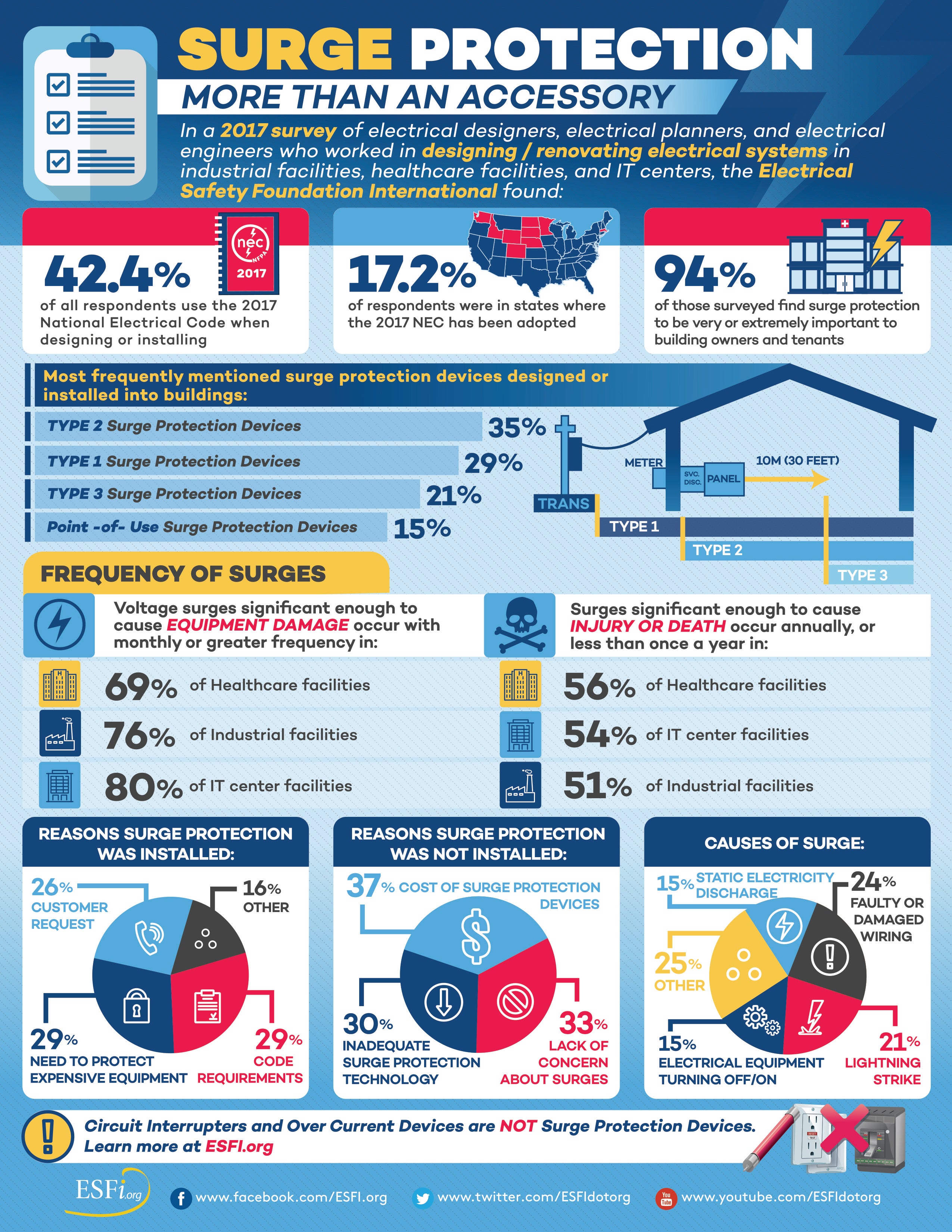
- Unplug Electronics: Disconnect sensitive equipment like computers and televisions to protect them from potential power surges when electricity is restored. Leave one lamp turned "on" so you know when power has returned.
Image
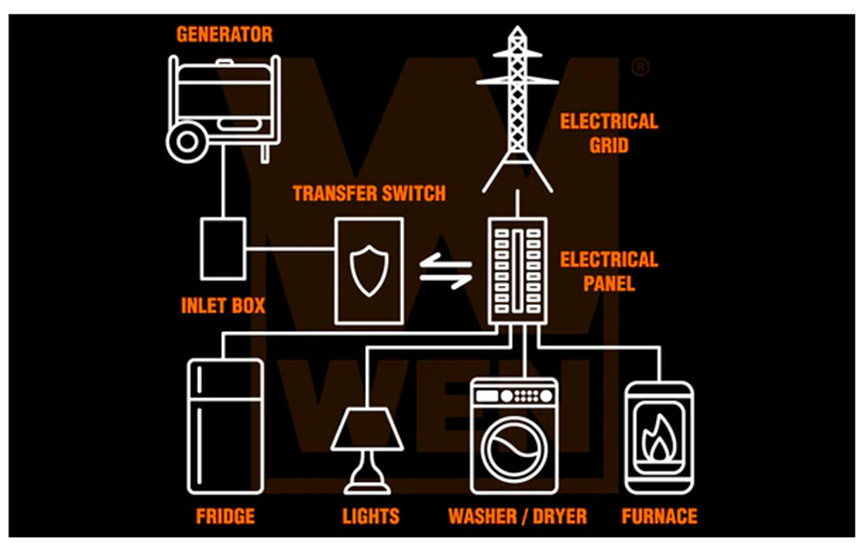
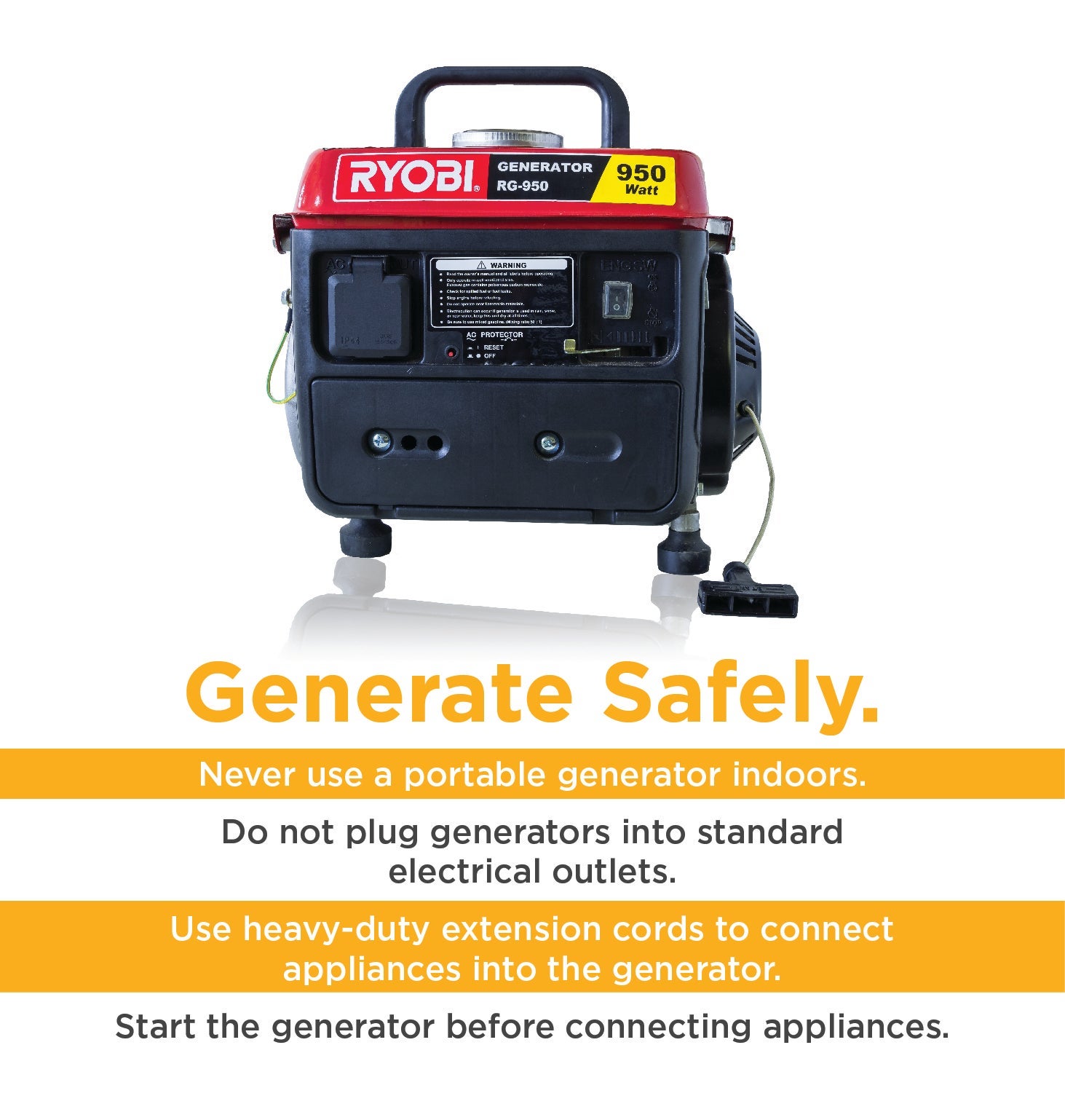
Generators provide essential comfort during an outage, but improper use creates a silent, deadly hazard for both you and utility crews.
Avoid the Danger of "Backfeeding"
- Never plug a portable generator directly into a wall outlet. This causes "backfeeding," where high-voltage electricity flows backward through your meter and onto the utility lines. This unexpected surge can electrocute lineworkers who believe the lines they are repairing are de-energized.
Cooperation Among Cooperatives
Cooperation Among Cooperatives is one of the seven principles that guide electric cooperatives. This generator-safety video was created by Northern Lights Electric Cooperative and is shared here with credit as a practical safety resource for OTEC member-owners.
Image
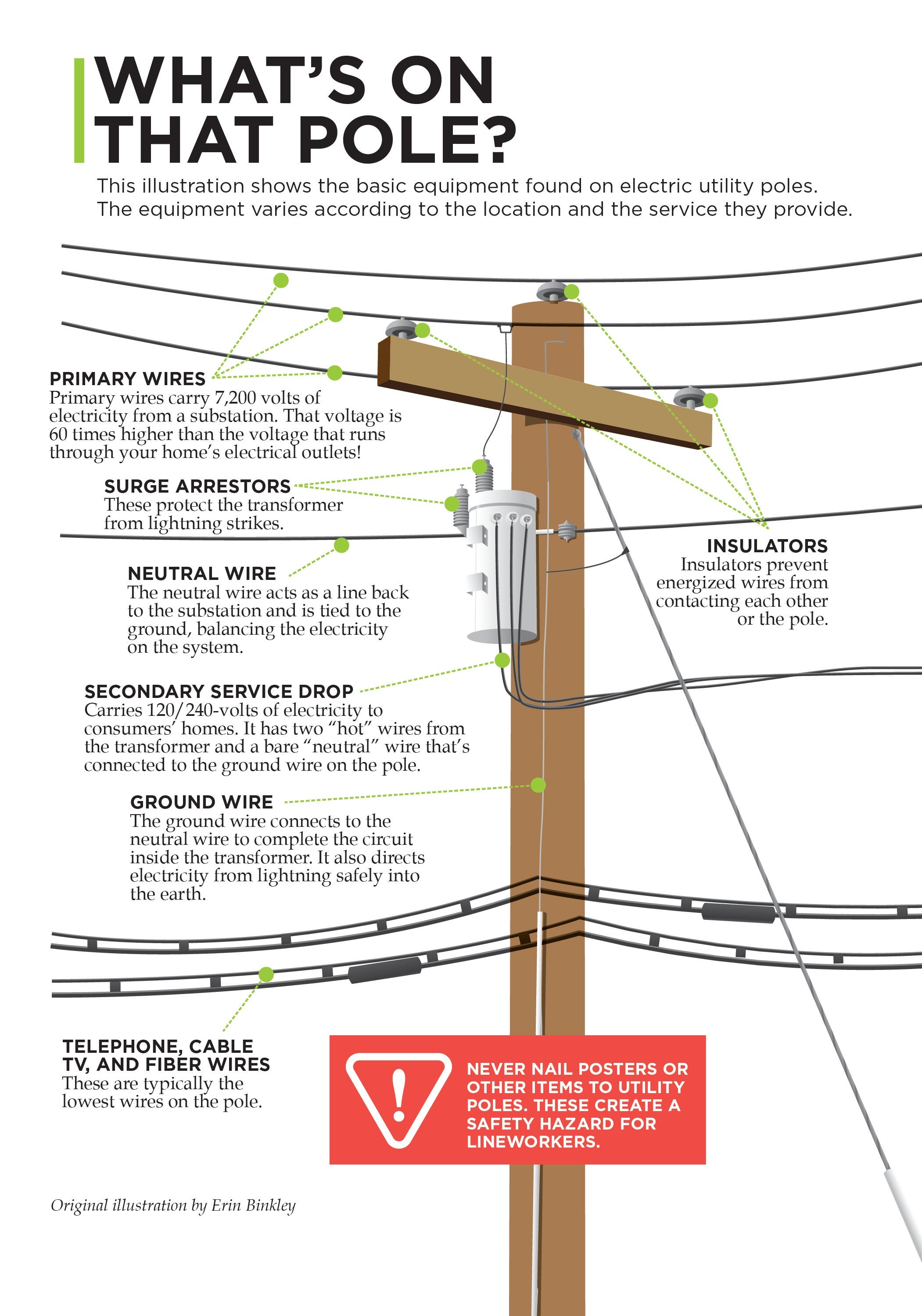
Utility infrastructure is a complex network designed to move high-voltage power safely. While built to withstand the elements, this equipment is not designed for human contact. Maintaining a respectful distance from all utility assets, above and below ground, is essential for your safety and the reliability of your service.
Look Up: Overhead Safety
Always stay alert to the poles and wires lining our streets. Assume all overhead lines are energized and dangerous. Keep ladders, equipment, and yourself at least 10 feet away from any power line.
Dig Deep: Call 811 First
Hazards aren't always visible. Your yard contains a hidden network of electric, gas, water, and fiber-optic lines. Because soil shifts and installation depths vary, it is impossible to "guess" where it is safe to break ground.
Image
Working Safely Around Power
First responders, agricultural workers and heavy equipment operators often work close to power lines and electrical equipment. Knowing what is overhead, what is underground and when to call OTEC can prevent a routine job from becoming an emergency. The resources below are designed for the people whose work regularly brings them near the electric system.
Curious Minds, Safe Habits
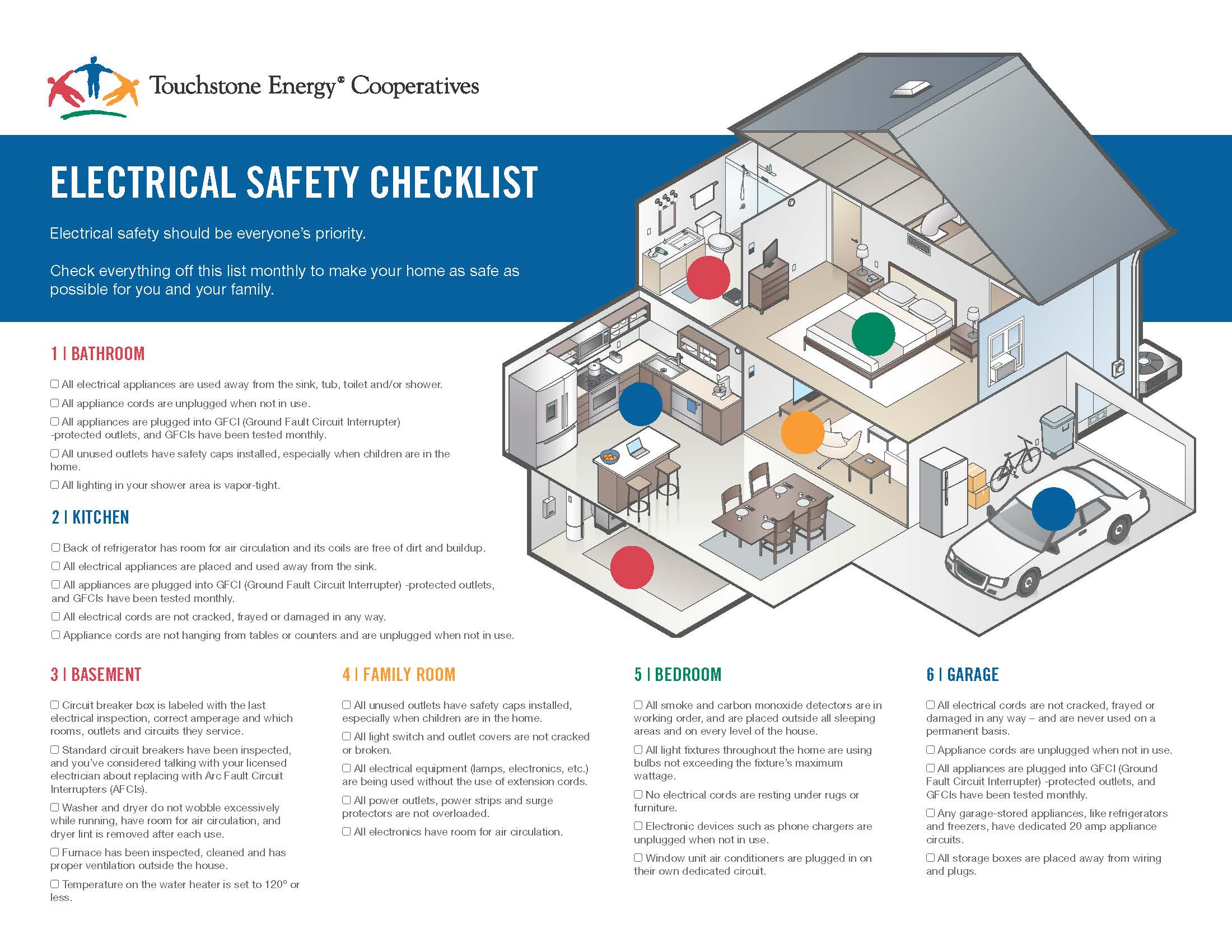
Children often view the world through a lens of play, which means they may not naturally recognize the hidden dangers of high-voltage equipment. By taking a moment to point out the electrical infrastructure in your own neighborhood, you can help them build a lifelong foundation of safety.
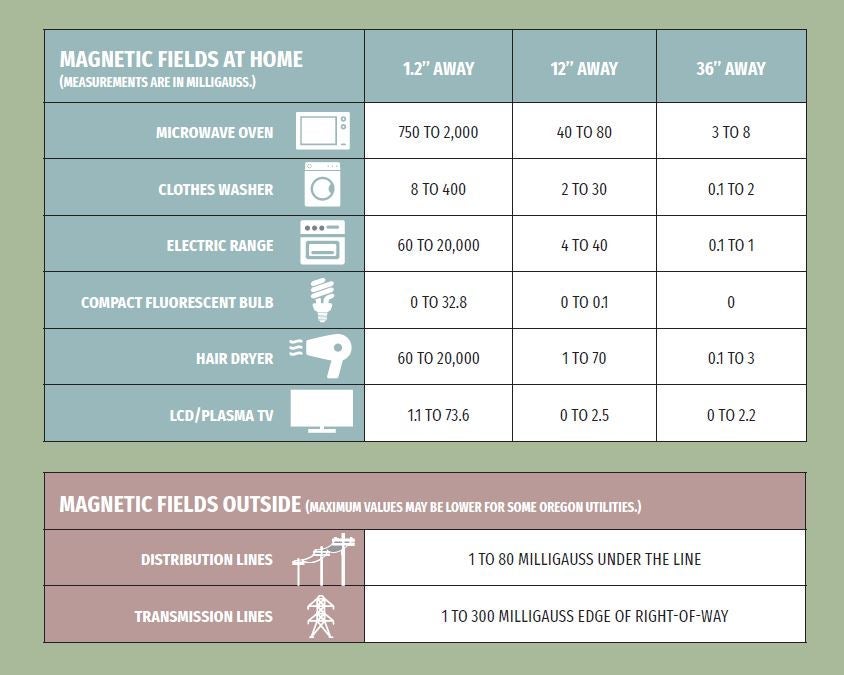
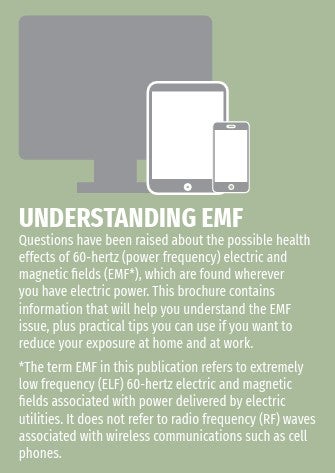
An electromagnetic field, sometimes referred to as EMF, is created by electrical charges and currents flowing through wires. When an appliance such as your toaster or microwave is turned on, current or charge flows, creating EMF. Given the widespread use of electricity, electromagnetic fields or EMFs are present everywhere in our daily lives.
Image
Wildfire Mitigation
Stop the Spark Before It Starts
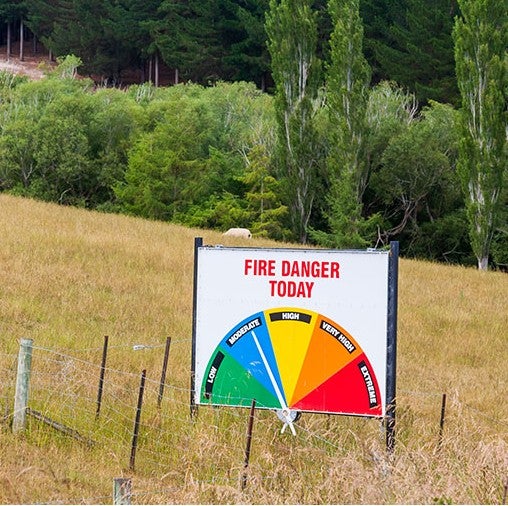
Wildfire prevention begins before smoke is in the air. Secure trailer chains so they cannot drag and spark. Never park or idle a vehicle on dry grass. Check local restrictions before burning or using outdoor equipment, and never leave a campfire until it is cold to the touch.
Image